-
Download Cruising Sailboat Rig Checklist
4 CommentsReading Time: < 1 minuteMembers Read more: Download Cruising Sailboat Rig Checklist
The rig checklist is ready for download and links to five articles of in depth inspection tips and advice on fixing the problems you find.
-
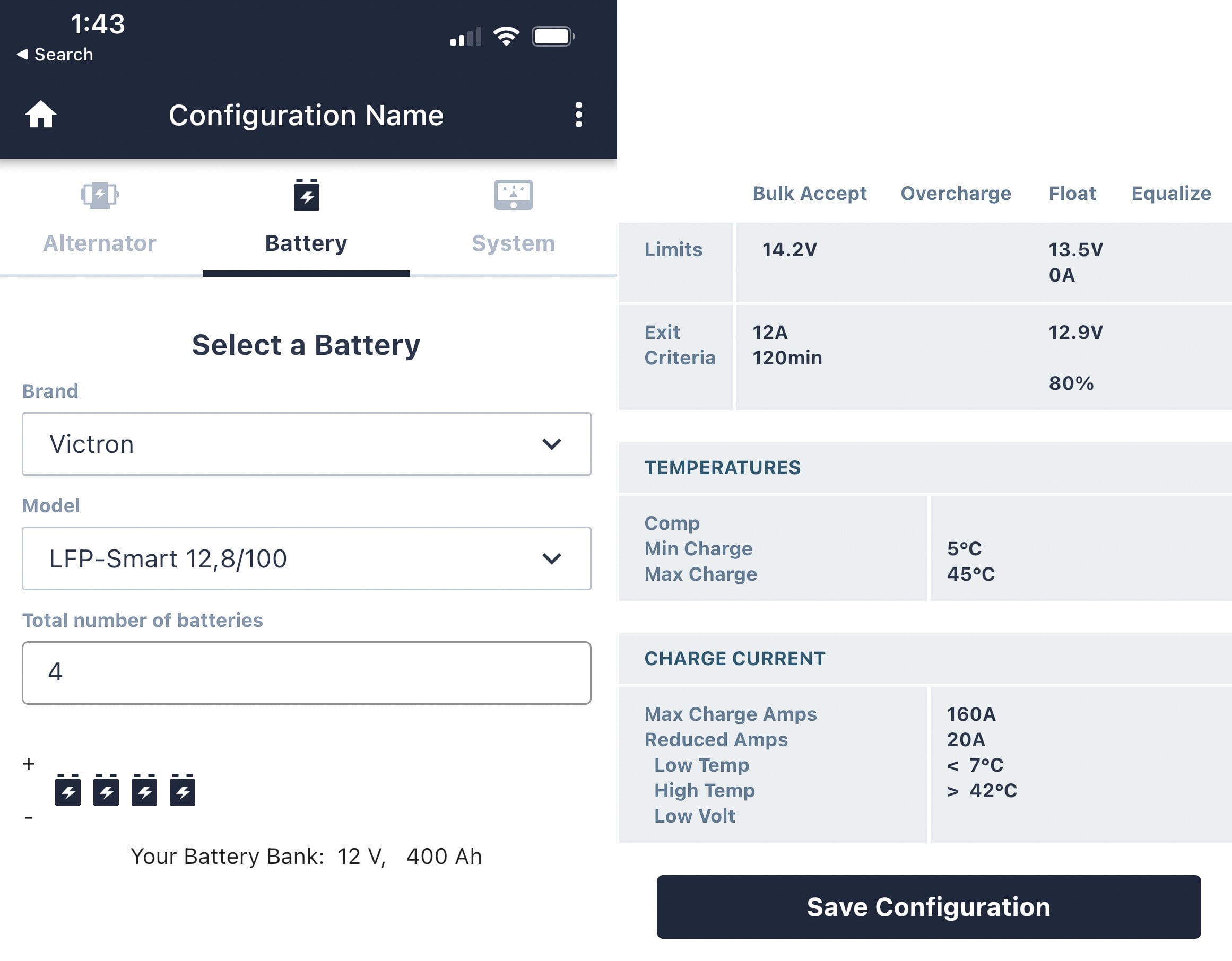
8 Tips To Prevent Lithium Battery Black Outs
112 CommentsReading Time: 6 minutesMembers Read more: 8 Tips To Prevent Lithium Battery Black Outs
Load dumps on a cruising boat are dangerous. Here’s how to prevent them, including some special tips for “drop in” owners.
-
Why Lithium Battery Load Dumps Matter
101 CommentsReading Time: 8 minutesMembers Read more: Why Lithium Battery Load Dumps Matter
Load dumps are an intrinsic danger with lithium batteries installed on cruising boats. Here’s why, and why we need to fix it.
-
Cruising Sailboat Roller Furler and Track Inspection
22 CommentsReading Time: 10 minutesMembers Read more: Cruising Sailboat Roller Furler and Track Inspection
Modern sail-handling system have made offshore sailing safer and easier, but they also demand regular inspection and maintenance.
-
Positioning of Wood Plugs For Seacocks
70 CommentsReading Time: 4 minutesMembers Read more: Positioning of Wood Plugs For Seacocks
Offshore sailboat safety regulations call for a soft wood plug to be adjacent to every seacock, but does that make sense?
-
Adventure 40 Design Funding Round
32 CommentsReading Time: 4 minutesFree Read more: Adventure 40 Design Funding Round
After years of dreaming, it’s time for the first round of financing so this boat can get built.
-
The True Price of Autopilots & Vane Gears
62 CommentsReading Time: 8 minutesMembers Read more: The True Price of Autopilots & Vane Gears
At first glance, autopilots and vane gears cost about the same, but the reality is more complicated, and important to get right.
-
Cruising Sailboat Rig Wiring and Lighting Inspection
52 CommentsReading Time: 9 minutesMembers Read more: Cruising Sailboat Rig Wiring and Lighting Inspection
Inspection, repair, and replacement tips for mast navigation lights, wind indicators, and lightning protection systems.
-
7 Checks To Stop Our DC Electrical System From Burning Our Boat
49 CommentsReading Time: 11 minutesMembers Read more: 7 Checks To Stop Our DC Electrical System From Burning Our Boat
It’s a common misconception that battery-supplied electrical systems are safe because they are low voltage. That’s wrong. In fact, there are high fire risks. Here’s why, and what to do about it.
-
Adventure 40 Rudder and Steering Gear
128 CommentsReading Time: 7 minutesFree Read more: Adventure 40 Rudder and Steering Gear
The Adventure 40 specification for the rudder and steering gear, as well the self steering the boat will be equipped with as standard.
-
Why Most New-To-Us Boat Electrical Systems Must Be Rebuilt
107 CommentsReading Time: 6 minutesMembers Read more: Why Most New-To-Us Boat Electrical Systems Must Be Rebuilt
Most production cruising boats are fitted with inadequate DC electrical systems. Let’s fix that.
-
Cruising Sailboat Running Rigging Inspection
18 CommentsReading Time: 10 minutesMembers Read more: Cruising Sailboat Running Rigging Inspection
Inspection, repair tips and replacement cycles for offshore cruising boat running rigging.
-
Adventure 40 Dimensions and Hull
86 CommentsReading Time: 11 minutesFree Read more: Adventure 40 Dimensions and Hull
The true size of the Adventure 40, her sailing capabilities and the type of cruising she is for, as well as information on the hull and deck construction.
-
12 Cruising Boat Maintenance Tips
32 CommentsReading Time: 9 minutesMembers Read more: 12 Cruising Boat Maintenance Tips
Tips and hacks that will be useful no matter what part of an offshore cruising boat we are maintaining.
-
Wakespeed WS500—Best Alternator Regulator for Lead Acid and Lithium Batteries
61 CommentsReading Time: 9 minutesMembers Read more: Wakespeed WS500—Best Alternator Regulator for Lead Acid and Lithium Batteries
The WS500 alternator regulator was a great option for cruisers a year ago. It’s even better now. Here’s why.
-
Cruising Sailboat Standing Rigging Inspection
39 CommentsReading Time: 12 minutesMembers Read more: Cruising Sailboat Standing Rigging Inspection
Inspection tips and recommended replacement cycles for offshore cruising boat standing rigging, hydraulics, and vangs.
-
Cruising Sailboat Spar Inspection
43 CommentsReading Time: 10 minutesMembers Read more: Cruising Sailboat Spar Inspection
Dismastings are dangerous voyage enders for cruising boats. Doing this inspection of spars, steps and chainplates will reduce the risk substantially.
-
Going Alongside (Docking)—12 More Tips and Tricks
15 CommentsReading Time: 10 minutesMembers Read more: Going Alongside (Docking)—12 More Tips and Tricks
Simple tips and hacks that will make getting alongside easier, even in current.
-
John Goes Sailboat Racing and Learns Stuff
22 CommentsReading Time: 6 minutesMembers Read more: John Goes Sailboat Racing and Learns Stuff
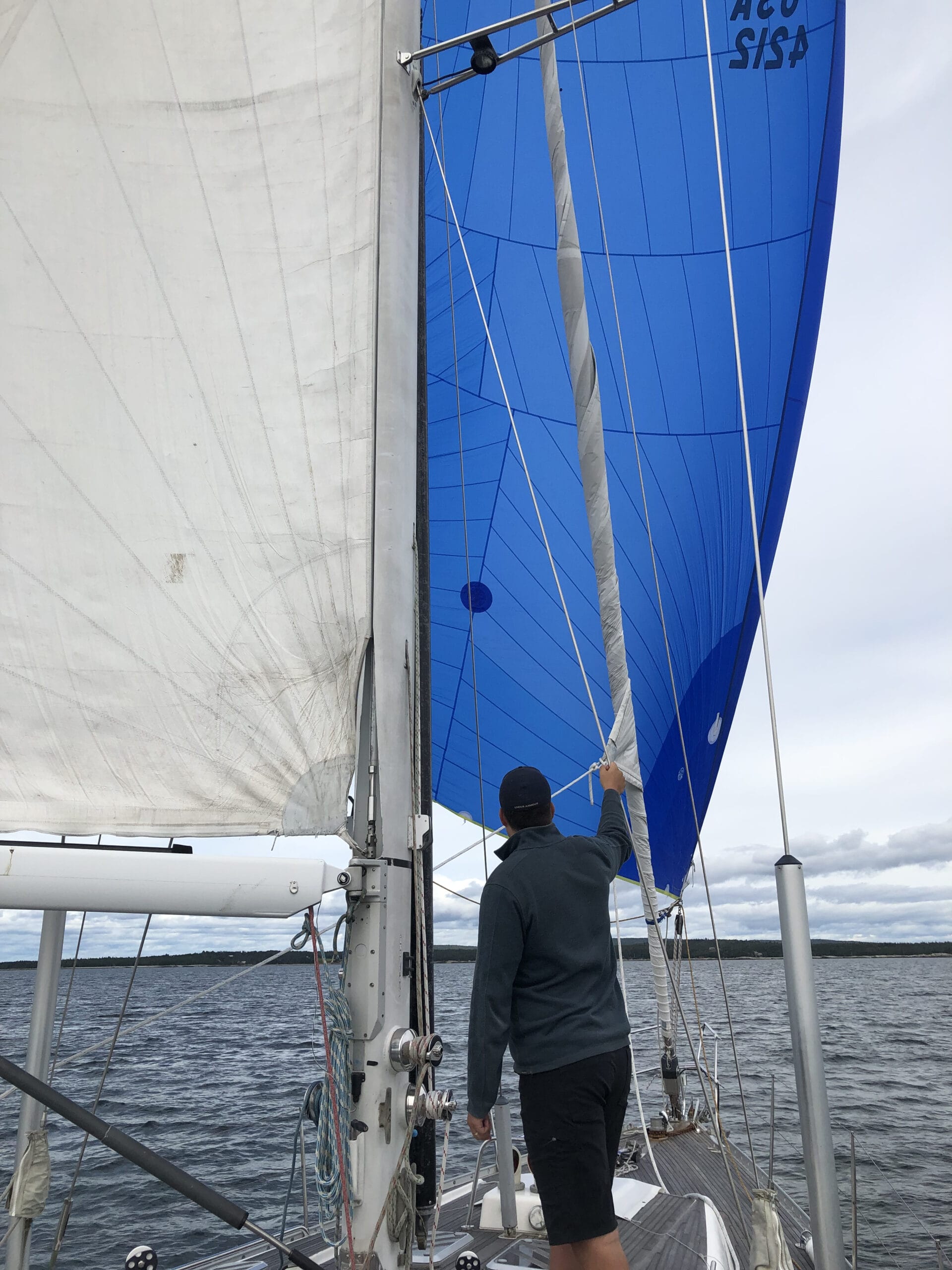
John went racing on a big Swan and learned a lot about asymmetrical spinnakers, accompanied by a big piece of humble pie.
-
Protecting Our Boat’s Underwater Metals From Corrosion
62 CommentsReading Time: 7 minutesMembers Read more: Protecting Our Boat’s Underwater Metals From Corrosion
A relatively inexpensive testing rig that every boat owner should have and use regularly.
-
Going Alongside (Docking) in Current—Backing In
21 CommentsReading Time: 9 minutesMembers Read more: Going Alongside (Docking) in Current—Backing In
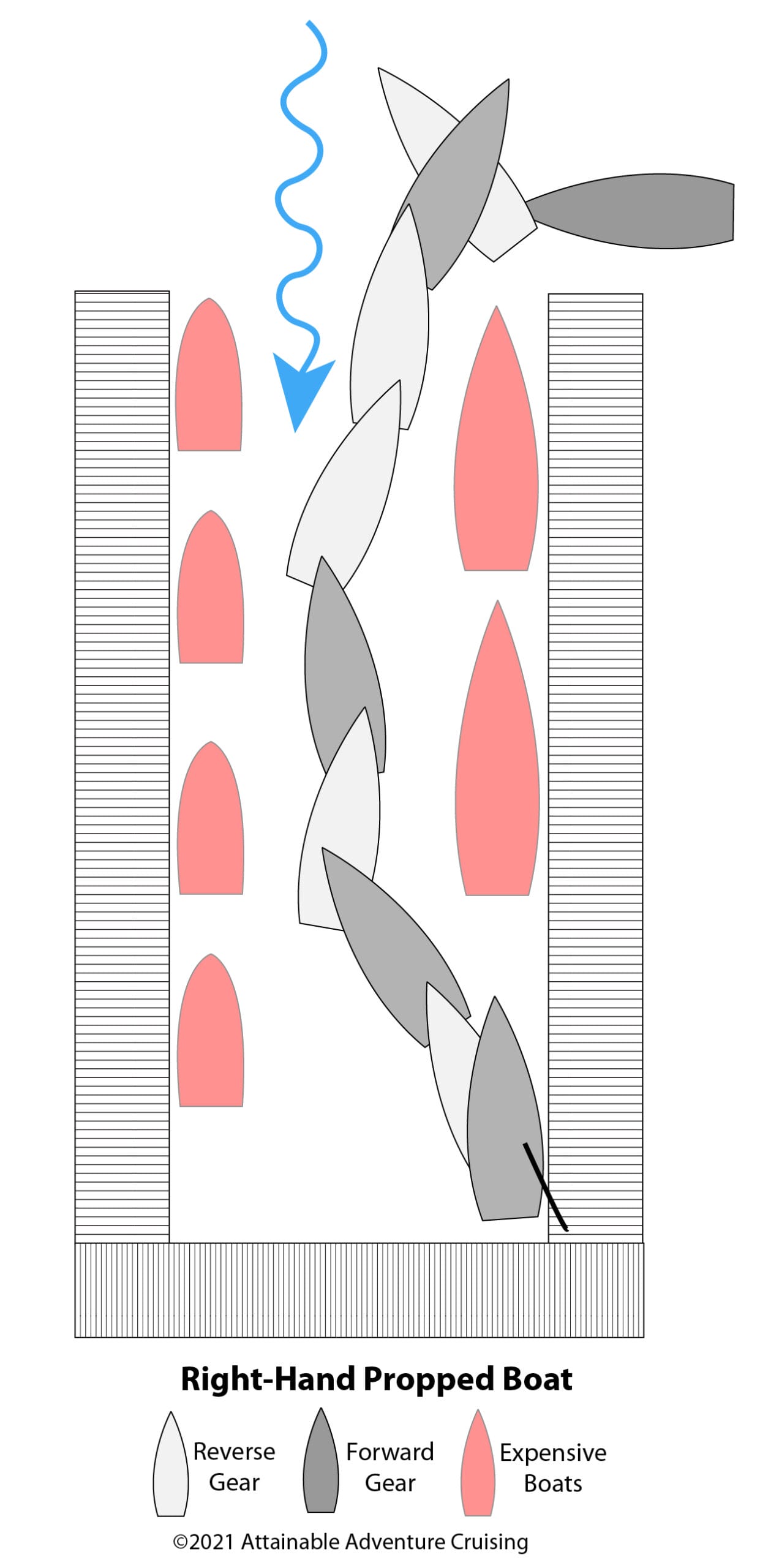
Backing our boats into a confined space is difficult enough normally, but what if we need to do this with current and wind? John explores how to, and when not to.
-
Details Matter—Engine Failure at Sea
52 CommentsReading Time: 5 minutesMembers Read more: Details Matter—Engine Failure at Sea
It’s easy to spend big money on our boats but still miss little details that will have big consequences once we go to sea.
-
Going Alongside (Docking) in Current—Turning in Confined Spaces
24 CommentsReading Time: 9 minutesMembers Read more: Going Alongside (Docking) in Current—Turning in Confined Spaces
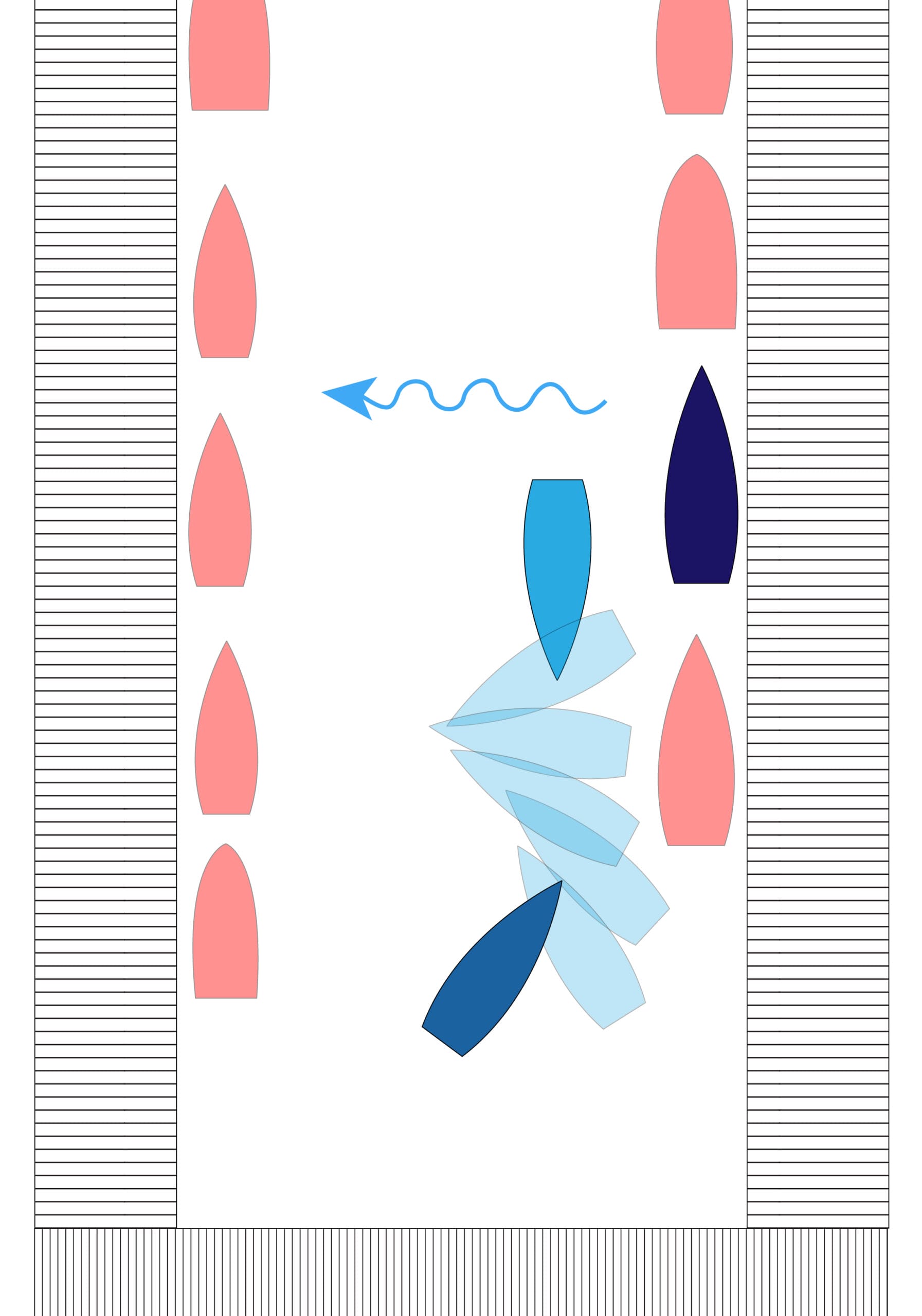
Bringing a boat alongside with current flowing can be demanding, but what if we have to turn around, too? Here’s how.
-
John’s Thoughts and Photos, November 2021
42 CommentsReading Time: 6 minutesFree Read more: John’s Thoughts and Photos, November 2021
John’s thinking about anchors (again), some great books to read, a tragedy, and boat design, as well as an attainable adventure.
-
Going Alongside (Docking) in Current—Fundamentals
26 CommentsReading Time: 11 minutesMembers Read more: Going Alongside (Docking) in Current—Fundamentals
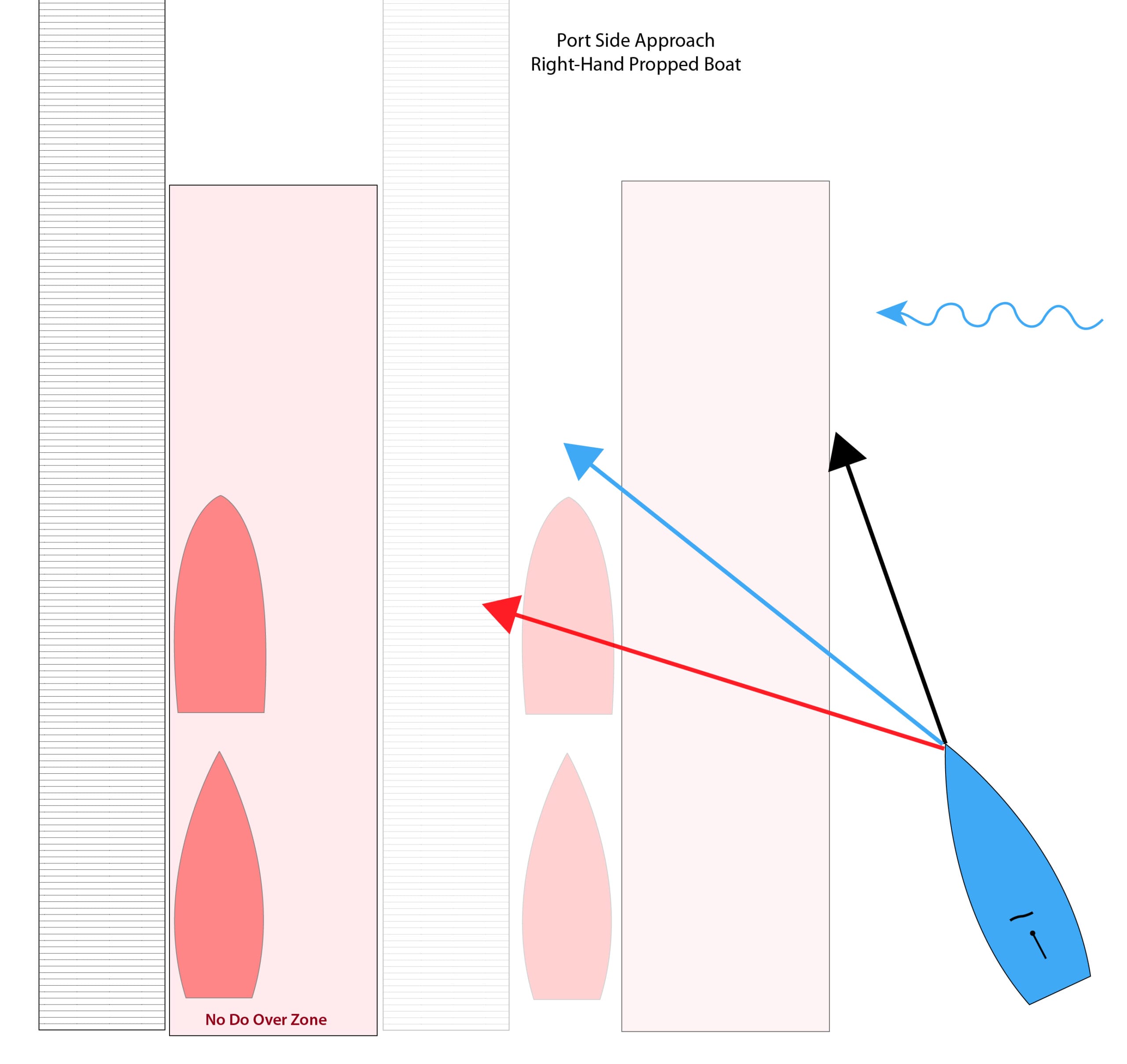
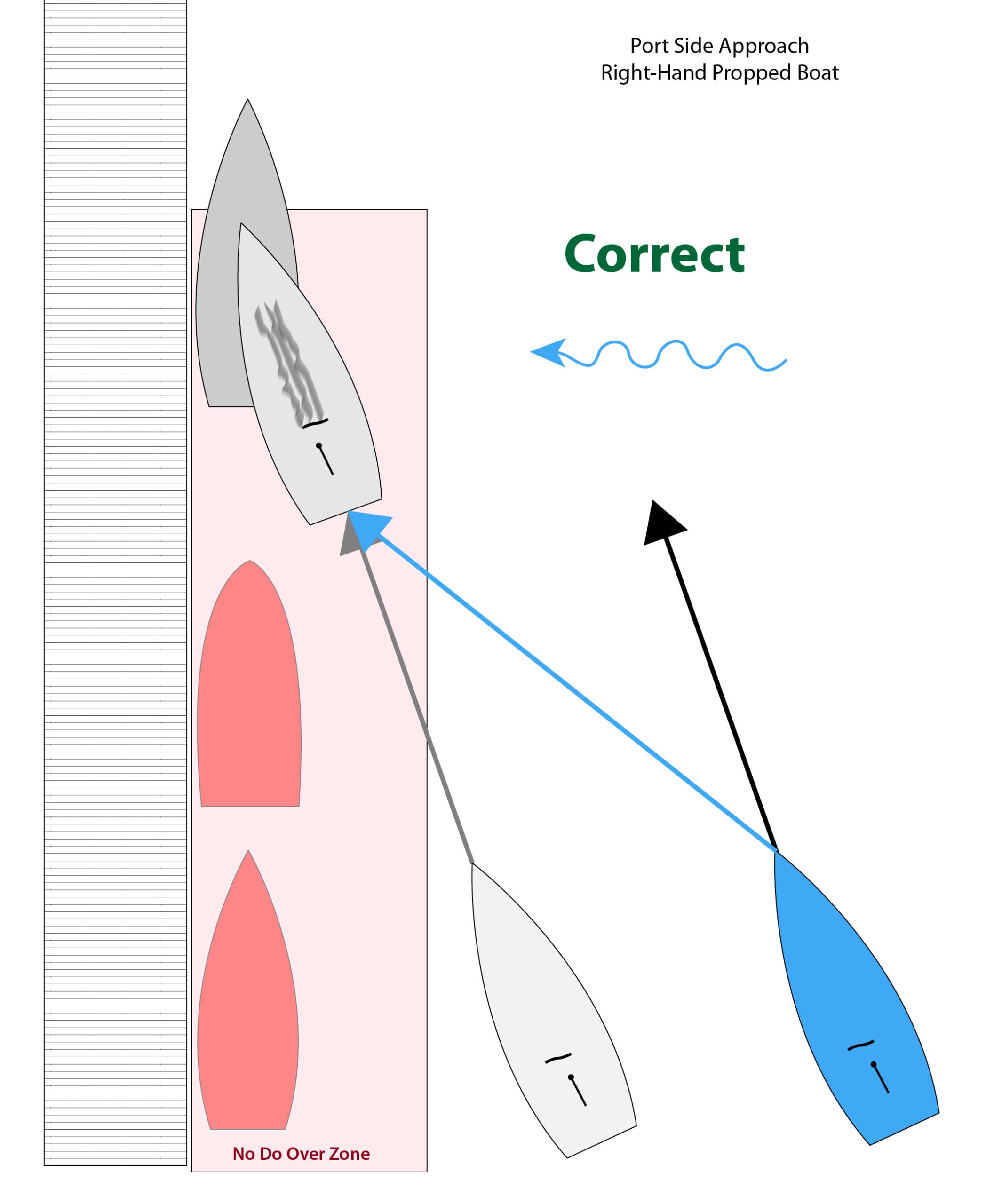
There are few greater challenges in cruising than coming alongside in current, particularly if it’s blowing. Here is a step-by-step way to dock in current.