Online Book: Engines For Cruising Boats

Matt, AAC Engineering Correspondent, starts this Online Book with an in-depth look at what makes an efficient powertrain and how we can benefit from future developments.
John then shares his experience gained in three re-powers and twenty years of cruising the Arctic, where a reliable engine is literally a lifesaver, including a step-by-step account (with many photographs) of the latest and highly successful repower of Morgan’s Cloud.
If you own a boat with an engine—auxiliary sail or power—you will benefit from reading this, even if you only use the knowledge to better manage your existing engine and, into the bargain, make it last longer and break down less often.
Click for TOC or scroll down for details
Articles in this topic:
- Understanding An Engine Fuel Map
- What Marine Engine Duty Ratings Mean To You
- Understanding Power and Torque
- Applying Power and Torque
- Propeller Efficiency
- How To Stop Killing Your Engine With Kindness
- How To Select The Best Power and Propeller Settings For Your Engine
- Why Overpowering Makes No Sense
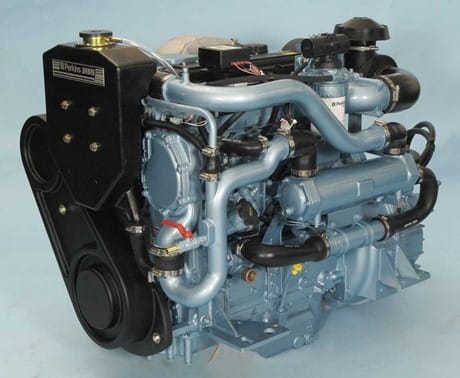
- New Engine For “Morgan’s Cloud”—What We Chose
- Engine Re-Power—The Devil Is In The Details
- Perkins M92B, Initial Report Card
- 11 Tips To Save Your Engine From Overheating
- Keeping The Water Flowing
- When Did Your Exhaust Elbow Last Feel The Love?
- An Easy Way to Avoid Engine Failures
- Details Matter—Engine Failure at Sea
- Is Your Engine Properly Fused?
- More Engine Maintenance Tips
-
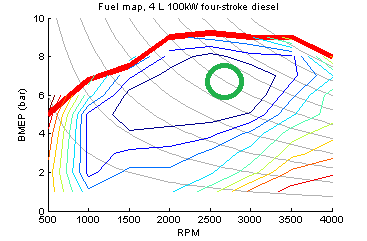
Understanding An Engine Fuel Map
47 CommentsReading Time: 7 minutesMembers Read more: Understanding An Engine Fuel Map
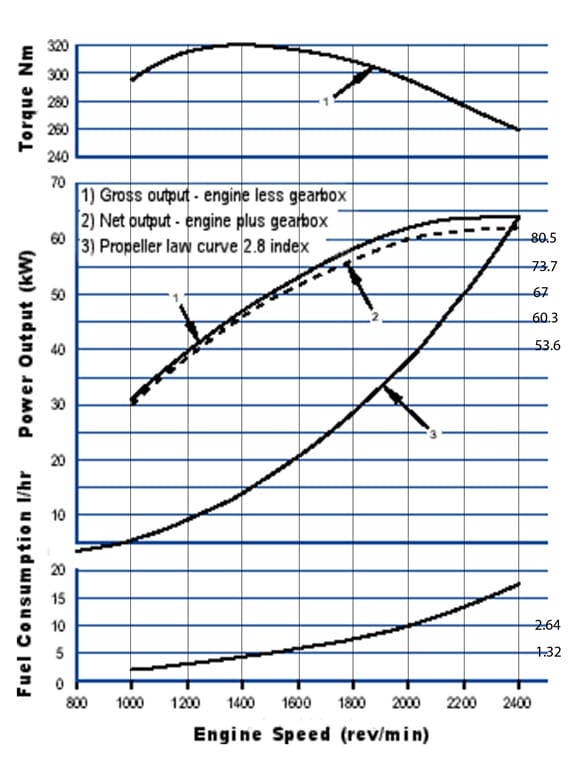
Matt explains those graphs that adorn engine brochures and manuals. Understanding these diagrams is the key to better fuel economy and less problems with your diesel engine.
-
What Marine Engine Duty Ratings Mean To You
8 CommentsReading Time: 6 minutesMembers Read more: What Marine Engine Duty Ratings Mean To You
Just what is a commercial or continuous duty rating on an engine, and should you get that? Matt starts this chapter with the reason that these ratings exist, and then moves on to how to select the correct engine duty rating for a displacement boat.
-
Understanding Power and Torque
15 CommentsReading Time: 8 minutesMembers Read more: Understanding Power and Torque
There are probably no two words that are more often misused when we talk about boats than power and torque. Eric demystifies both and in the process inoculates us against some potentially expensive misconceptions.
-
Applying Power and Torque
16 CommentsReading Time: 11 minutesMembers Read more: Applying Power and Torque
When choosing mechanical gear, especially engines, it’s important to understand power and torque. Many people misuse these terms to sell products, so being informed helps us make better decisions.
-
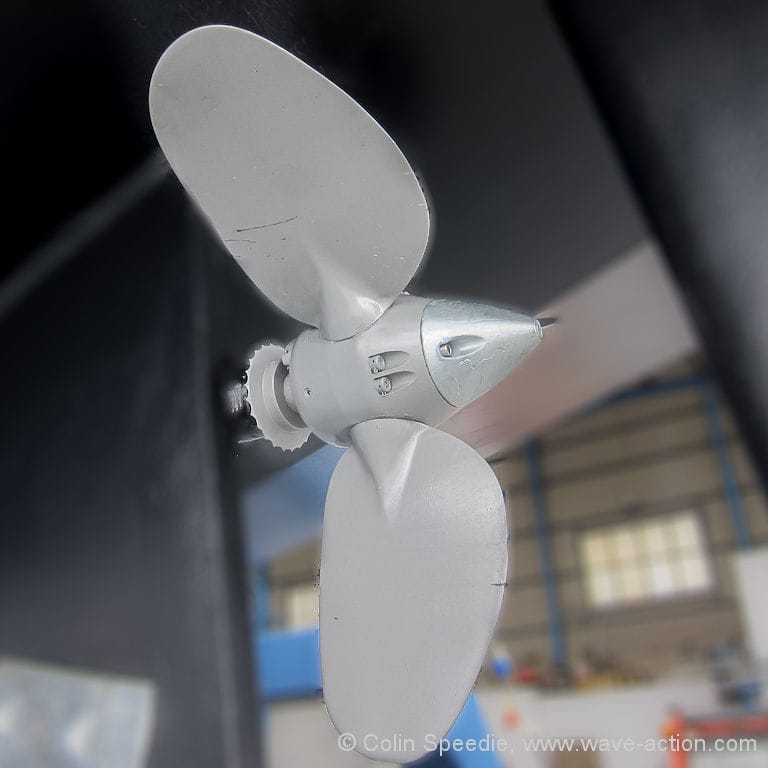
Propeller Efficiency
48 CommentsReading Time: 9 minutesMembers Read more: Propeller Efficiency
Matt brings his customary clarity to a complicated subject: propellers. Reading this post will cause you a bit of brain sweat, but doing so can help you get big gains in engine efficiency.
-
How To Stop Killing Your Engine With Kindness
92 CommentsReading Time: 8 minutesMembers Read more: How To Stop Killing Your Engine With Kindness
Running your engine at low power settings can slowly kill it. Here’s what to do about that. This could save you a bunch of money and aggravation.
-
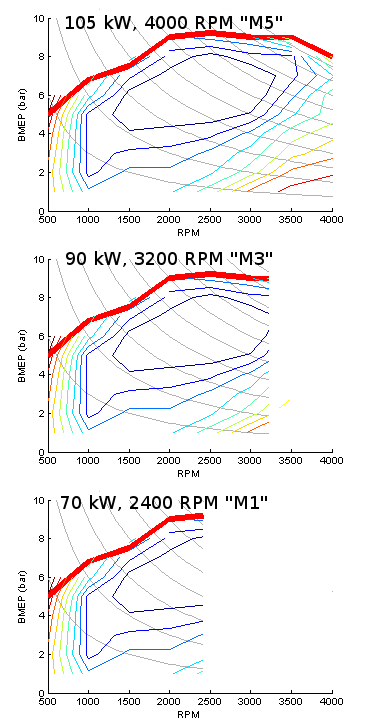
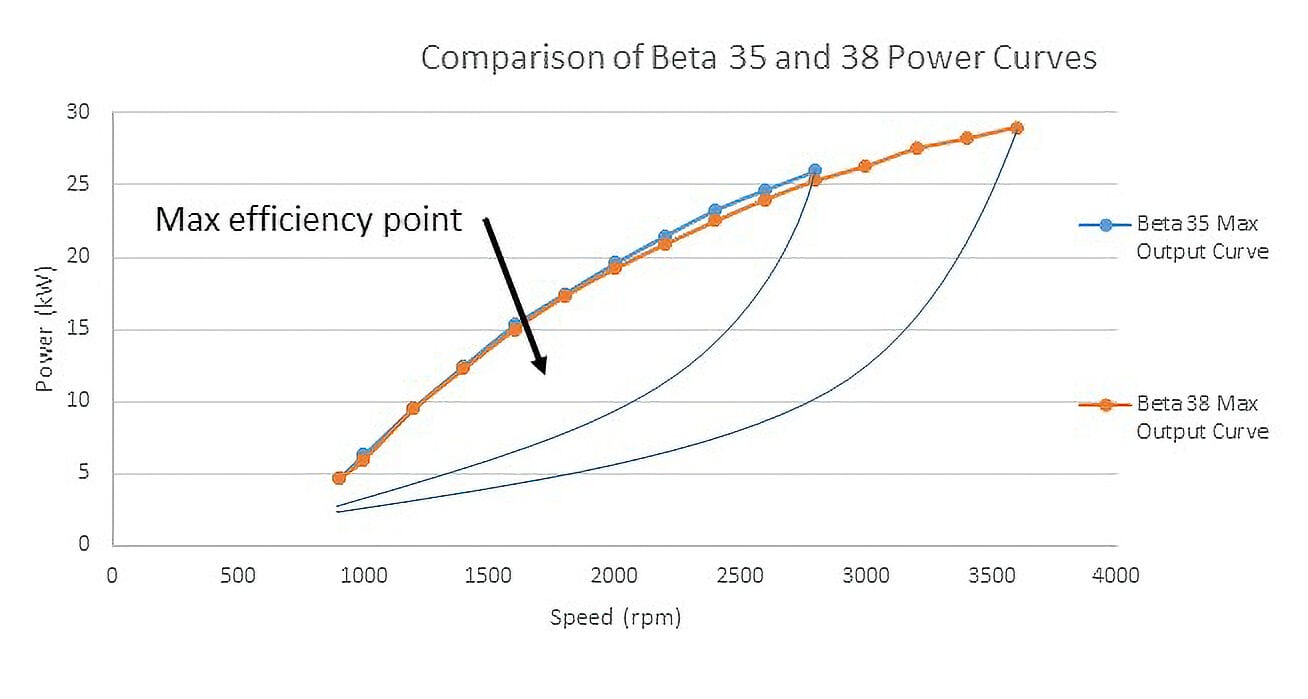
How To Select The Best Power and Propeller Settings For Your Engine
84 CommentsReading Time: 8 minutesMembers Read more: How To Select The Best Power and Propeller Settings For Your Engine
In the last chapter in this Online Book, John wrote about how chronic underloading of your engine can wreck it, as well as waste fuel and produce unnecessary carbon. In this chapter we get to the good stuff: how to solve the problem for both new and existing engines.
-
Why Overpowering Makes No Sense
15 CommentsReading Time: 3 minutesMembers Read more: Why Overpowering Makes No Sense
An example of right sizing an engine for a cruising sailboat.
-
New Engine For “Morgan’s Cloud”—What We Chose
69 CommentsReading Time: 3 minutesMembers Read more: New Engine For “Morgan’s Cloud”—What We Chose
All engines have tradeoffs, but by really thinking about the theory we have learned in the first chapters as we select a new engine, we can make a big difference to efficiency and reliability. Here’s an example.
-
Engine Re-Power—The Devil Is In The Details
33 CommentsReading Time: 7 minutesMembers Read more: Engine Re-Power—The Devil Is In The Details
If we are going to re-power our boat we should do it right and above all sweat the details.
-
Perkins M92B, Initial Report Card
39 CommentsReading Time: 2 minutesMembers Read more: Perkins M92B, Initial Report Card
Installing the new engine was a huge and expensive job, so how did it work out?
-
11 Tips To Save Your Engine From Overheating
49 CommentsReading Time: 11 minutesMembers Read more: 11 Tips To Save Your Engine From Overheating
A diesel engine that’s been badly overheated will probably never run reliably again. A total cruise ruiner. Let’s not let that happen to us.
-
Keeping The Water Flowing
91 CommentsReading Time: 5 minutesMembers Read more: Keeping The Water Flowing
Colin has some great tips that will help you maintain your engine’s raw water system.
-
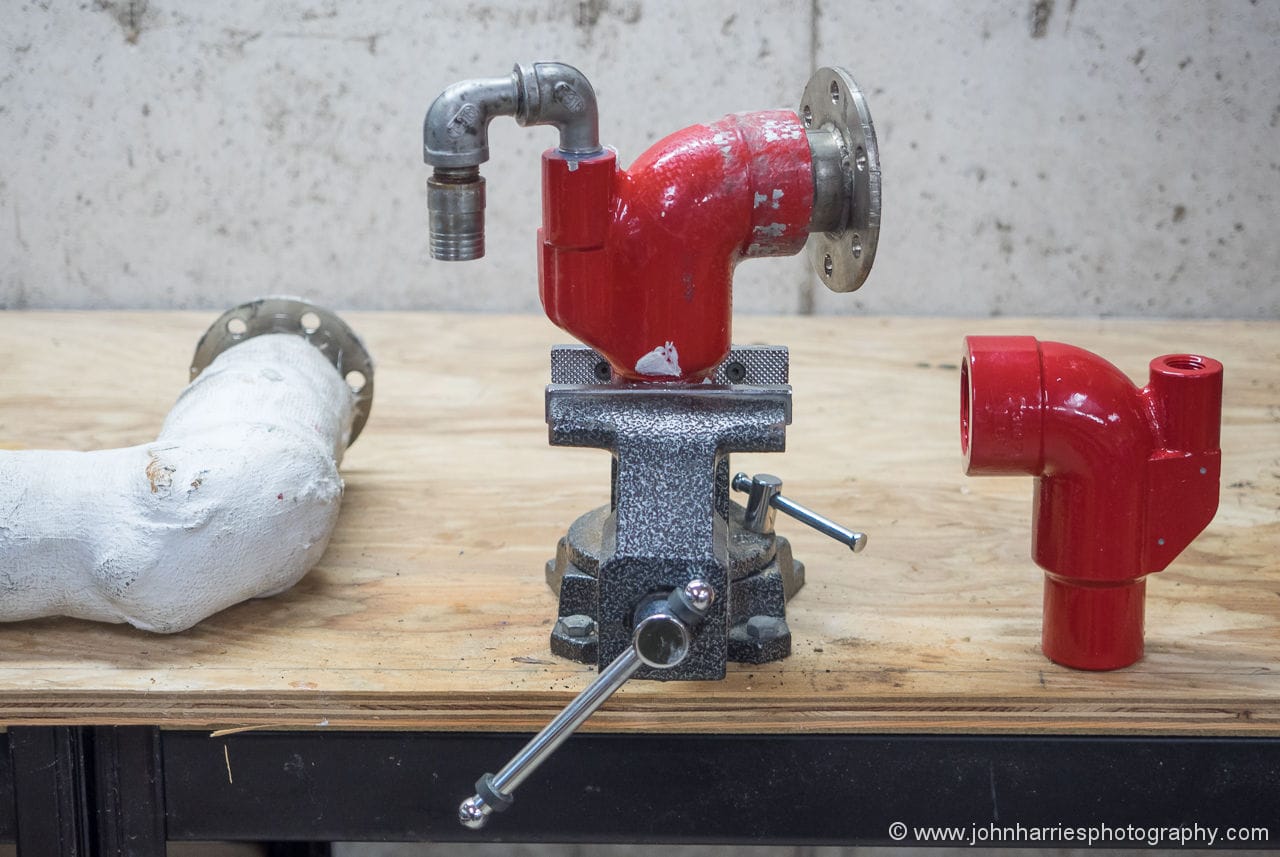
When Did Your Exhaust Elbow Last Feel The Love?
49 CommentsReading Time: 2 minutesMembers Read more: When Did Your Exhaust Elbow Last Feel The Love?
Your engine mixing elbow can damage your engine. Here’s how to prevent that.
-
An Easy Way to Avoid Engine Failures
44 CommentsReading Time: 3 minutesMembers Read more: An Easy Way to Avoid Engine Failures
A quick read that can make a huge difference to the reliability of your engine.
-
Details Matter—Engine Failure at Sea
52 CommentsReading Time: 5 minutesMembers Read more: Details Matter—Engine Failure at Sea
It’s easy to spend big money on our boats but still miss little details that will have big consequences once we go to sea.
-
Is Your Engine Properly Fused?
21 CommentsReading Time: 5 minutesMembers Read more: Is Your Engine Properly Fused?
I think most of us know that our engine start battery should be fused, but what about the rest of the engine harness. John was shocked to find the answer to that question.
-
More Engine Maintenance Tips
0 CommentsReading Time: < 1 minuteMembers Read more: More Engine Maintenance Tips
The best of our engine maintenance tips, curated and re-edited.